5 Lessons We've Learned from Recent Hospitality Projects
05 November 2026
With many hotel operators already considering refurbishment plans for 2027, early decisions can have a significant impact on the success of a project. Whether refreshing a handful of guestrooms or undertaking a full-property transformation, careful planning is essential to balance guest expectations, operational requirements and long-term return on investment.
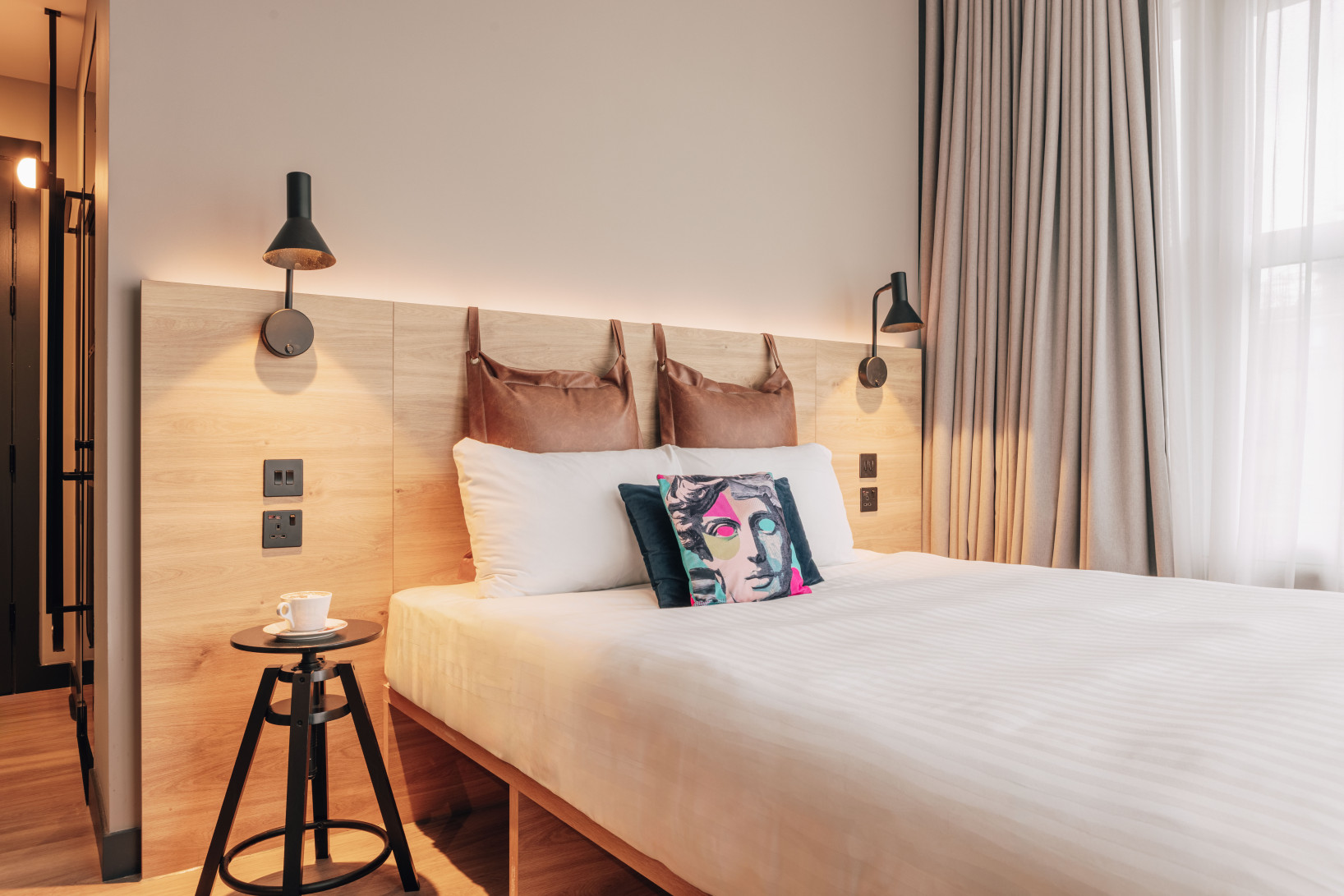
At Curtis Furniture, we've had the privilege of delivering bespoke furniture solutions for a wide range of hospitality projects, from luxury country estates and boutique retreats to large-scale city centre hotels, including Hilton Park Lane, Fairmont Cheshire The Mere, Dakota Manchester Airport Hotel, The Lensbury, Moxy Piccadilly Circus and DoubleTree by Hilton Chester.
Through these projects, we've identified five key lessons that can help hotel owners, operators and project teams achieve a smoother, more successful refurbishment.
1. The Earlier the Better
Talk to your specialist subcontractors as soon as possible within the design process. Whether a new build or a refurbishment, your building will offer up challenges that will require a team to overcome. From M&E contractors to Casegood Manufacturers the specialist knowledge of these companies can help your team design in a successful project rather than have these obstacles scupper your programme.
Curtis Furniture have been involved with many brand developments over the years for Hilton, IHG and others. All of the brands have rigorous criteria for signing off a new room design.
Some of the key bases they cover are:
- Aesthetic - who is likely to be using this room and when they open the door, will they LOVE it?
- Useability - do I really want to get out of bed to switch off that light? What level of privacy is required within a shared room?
- Flow - make the most of the space both visually and ergonomically
- Value - with thousands of finishes available, have we asked the specialist supplier to offer up best value options?
- Maintenance & Housekeeping - have your maintenance and housekeeping teams seen your designs? What are their hard learned lessons from years of looking after your bedrooms?
2. Guest Expectations Continue to Evolve
Today's guests expect hotel rooms to work harder than ever before.
Bedrooms are no longer simply places to sleep. They often serve as workspaces, relaxation areas, digital hubs and for aparthotels, places to cook and eat. Furniture must support these changing behaviours whilst maintaining an attractive, comfortable environment.
3. Durability Is Just as Important as Design
Exceptional aesthetics may create a strong first impression, but durability determines how a room performs over time.
Hospitality furniture faces constant daily use. Selecting robust materials, quality fittings and commercial-grade construction methods can significantly extend the lifespan of furniture and reduce ongoing maintenance costs.
The most successful hotel bedrooms are those that continue to look as good in year five as they did on opening day.
Design in your durability: Laminates on horizontal work surfaces. Remove pinch points to reduce wear and tear. Luggage area protection to minimise damage from heavy wheeled cases. The list goes on…
4. Every Hotel Requires a Different Solution
No two refurbishment projects are the same.
A luxury countryside retreat has different requirements to a busy airport hotel, while a boutique destination will often have different design priorities to a major branded property.
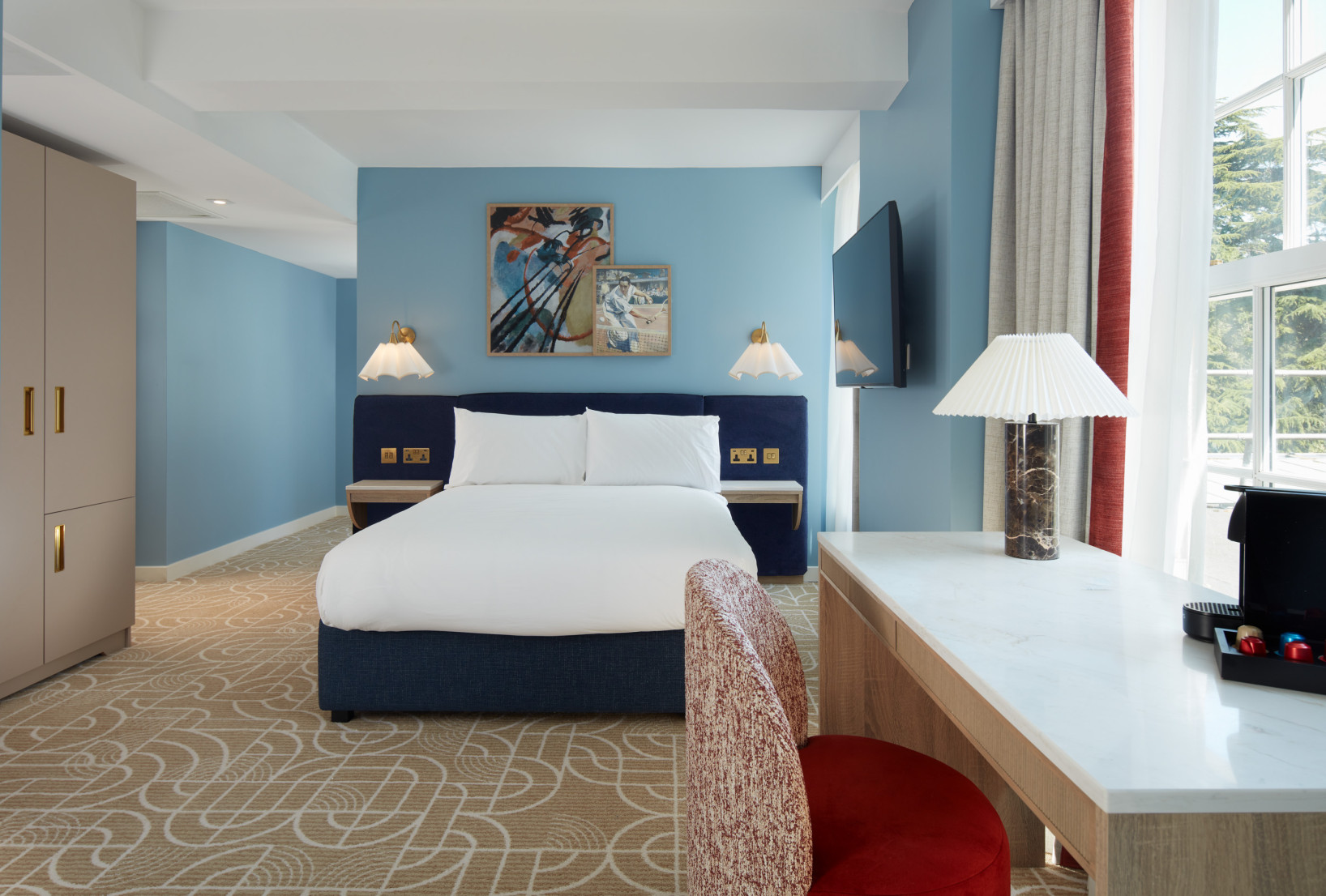
Projects such as The Lensbury, the new Dakota Manchester Airport Hotel and the luxury development at Fairmont Cheshire, The Mere each required furniture solutions tailored to their own distinct brand, location and guest demographic.
5. Sustainability Means Thinking Long-Term
Sustainability continues to influence refurbishment decisions across the hospitality sector, but the conversation is increasingly focused on longevity rather than simply material selection.
A well-designed piece of furniture that remains in service for many years can often provide greater environmental benefits than a lower-quality alternative that requires frequent replacement.
Considerations now commonly include:
- Product lifespan
- Maintenance requirements
- Waste reduction
- Responsible material sourcing
- UK manufacturing and supply chains
The goal is to create interiors that remain relevant, functional and attractive for years to come.
Looking Ahead to 2027
The hospitality sector continues to evolve, creating exciting opportunities for hotels to refresh their offering and enhance the guest experience.
Whether you're planning a phased bedroom upgrade, a complete refurbishment programme or a new-build development, taking the time to define objectives, engage partners early and focus on long-term value can make all the difference.
At Curtis Furniture, we've helped deliver furniture packages for hotels across the UK, from landmark city-centre developments to luxury destination resorts. Drawing on decades of manufacturing expertise, we work closely with clients, designers and contractors to create bespoke furniture solutions that combine exceptional craftsmanship, durability and design.
Planning a hotel refurbishment in 2027? We'd be delighted to discuss your project and explore how Curtis Furniture can help bring your vision to life.